Water Heater Repair and Installation for Local Properties
No hot water, a leaking tank, rusty hot water, or a pilot that will not stay lit can interrupt a household quickly. Massapequa Plumbing Experts serves Massapequa and nearby Nassau County communities with diagnosis, repair, replacement, and new installation. We work with gas and electric storage tanks, condensing and non-condensing tankless systems, and hybrid heat-pump units where the space supports them.
The first decision is whether the fault is safely repairable and whether repair makes sense for the unit’s age and condition. A failed thermostat, heating element, igniter, gas control, valve, or expansion tank may justify repair. A leaking tank body, severe corrosion, repeated failures, or a unit near the end of its useful life often points toward replacement.
What Are the Signs Your Water Heater Needs Service
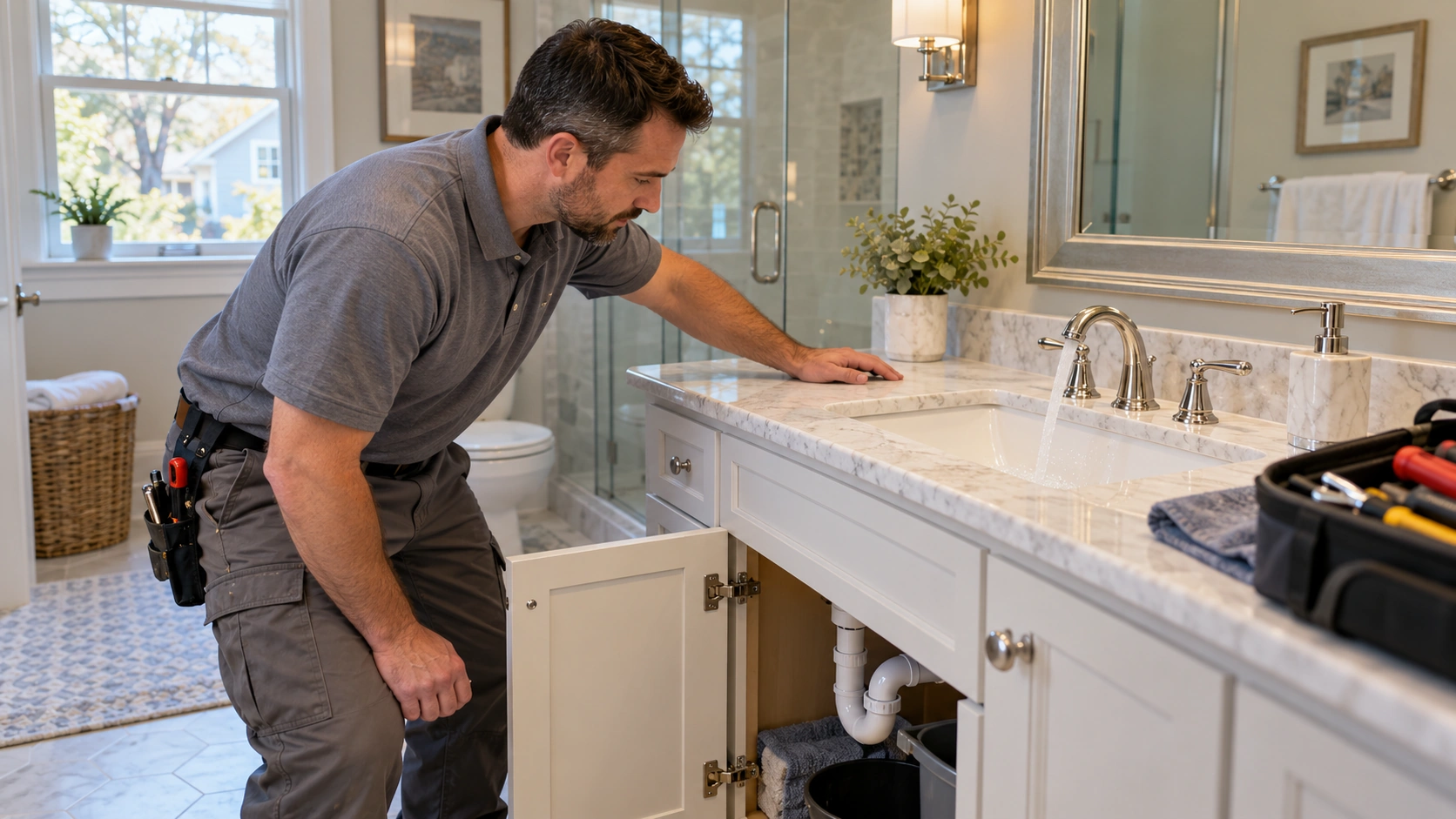
A water heater should be checked when performance changes, water appears around the equipment, or combustion and electrical controls do not operate normally. Shut off the appropriate water and energy supply when a leak is active and it is safe to do so. Seek urgent help if you smell gas, see scorching, or find water reaching electrical components.
No hot water, lukewarm water, or hot water that runs out sooner than before.
Rumbling, popping, banging, or hissing from a storage tank.
Water pooling at the base, dripping from a connection, or discharge from the relief line.
Rust-colored hot water, visible corrosion, or a metallic odor limited to the hot side.
A pilot light that will not stay lit, repeated ignition errors, or burner lockout.
Unstable water temperature, poor tankless flow, or error codes during simultaneous use.
Water at the base does not always prove that the tank has failed. It may come from a valve, connector, drain, nearby pipe, condensate line, or relief discharge. We trace the source before recommending replacement. If the steel tank itself is leaking, patching it does not provide a dependable repair.
Why Do Water Heaters Fail or Lose Capacity
Age, internal corrosion, sediment, failed controls, poor venting, excessive pressure, and incorrect sizing are common causes. Storage tanks rely on an anode rod to protect the steel tank. Once that protection is exhausted, corrosion can accelerate. Sediment at the bottom may reduce usable capacity, create noise, and make the burner or elements work harder.
Massapequa Water District supplies the area through deep groundwater wells. Water chemistry and treatment can change what accumulates inside equipment, so maintenance should follow the installed unit, manufacturer guidance, and actual site conditions rather than a generic assumption. A neglected tank, missing expansion control, or incorrect temperature and pressure relief arrangement can shorten service life regardless of neighborhood.
Area housing also includes postwar homes with basement mechanical areas that have been altered over time. A newer high-recovery tank or tankless conversion may demand different gas capacity, venting, combustion air, electrical service, condensate drainage, or clearance than the old unit. Equipment should be selected around the existing building and household demand, not simply matched by physical tank size.
What We Check First
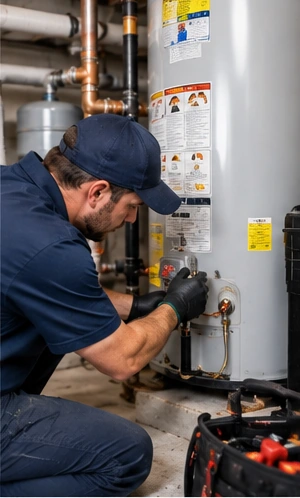
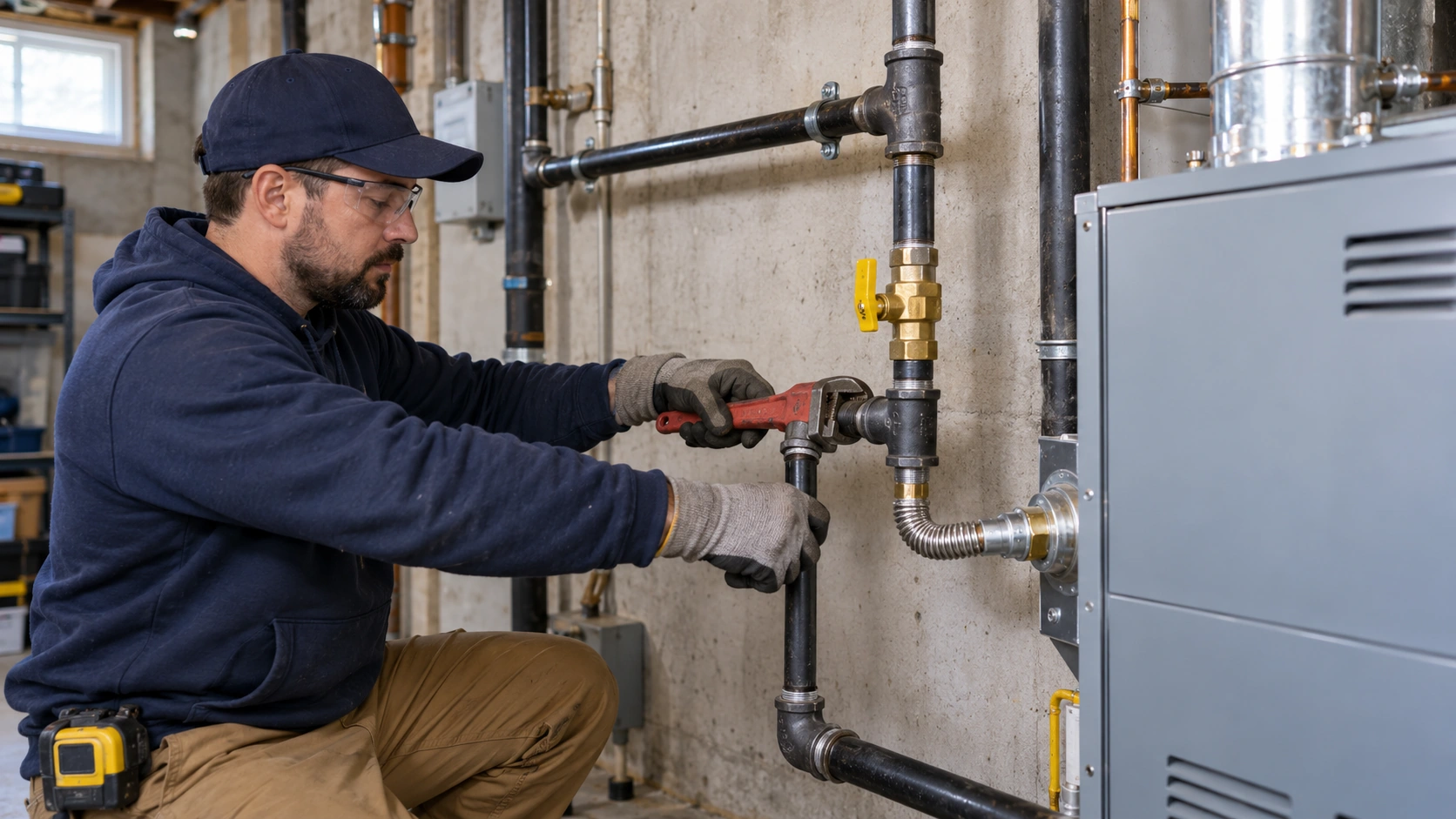
We confirm the reported symptom, equipment age, model, fuel type, capacity, service history, and any recent plumbing or electrical changes. Then we inspect the tank or heat exchanger, accessible water connections, shutoff, relief valve and discharge, venting, drain or condensate route, expansion control, and surrounding surfaces for leakage or corrosion.
Operational testing may include incoming power, thermostats, heating elements, ignition, flame condition, gas controls, error history, water temperature, flow activation, and pressure-related symptoms. We do not reset a safety control and leave without looking for the reason it opened. The findings determine whether a defined repair, further testing, or replacement is the responsible next step.
How Does Our Water Heater Service Process Work
First, we diagnose the failure and explain the evidence in plain language. If repair is sensible, we identify the part, labor, testing, and warranty included. If replacement is the stronger option, we calculate demand from household size, bathrooms, fixture use, simultaneous loads, recovery needs, available fuel, and the installation space.
Next, we compare practical equipment choices. A standard tank can provide familiar operation and a lower initial project cost. Tankless equipment saves floor space and limits standby loss, but proper flow sizing, gas or electrical capacity, venting, and maintenance access matter. A hybrid heat-pump water heater can reduce electric water-heating energy, but it needs suitable room volume, airflow, condensate drainage, sound placement, and electrical service.
For installation, we protect the work area, remove the old unit when included, set and connect the approved equipment, complete required venting and drainage, and restore utilities. We fill and purge the system before energizing it. Final checks cover leaks, operating temperature, combustion or electrical performance, relief components, controls, and hot-water delivery at representative fixtures.
We also verify that the temperature setting suits the household and that the discharge path is not capped, reduced, or directed toward an unsafe location. For gas equipment, flame and venting concerns must be resolved before normal use. For electric equipment, the circuit and disconnect must match the installed load. These checks are part of the completed job, not optional add-ons.
Before leaving, we explain settings, shutoffs, routine maintenance, warranty registration, and what changes require a service visit. Written equipment information and scope details provide a useful record for the owner and for future diagnosis.
What Are the Water Heater Price Ranges
Water heater pricing varies more by diagnosis and installation conditions than by the city name alone. The following ranges are directional planning figures, not exact or guaranteed prices:
Common repairs may fall around $200 to $900, depending on the failed control, valve, element, igniter, access, and testing required.
A standard tank replacement may fall around $1,400 to $3,500, depending on capacity, fuel, efficiency, venting, removal, permits, and code-related work.
A tankless installation or conversion may fall around $3,000 to $6,500 or more when gas capacity, venting, condensate, electrical work, or water-line changes are needed.
A hybrid heat-pump installation may fall around $3,000 to $6,000 or more when electrical, condensate, platform, airflow, or space changes are required.
Emergency timing, difficult basement access, premium equipment, recirculation, expansion control, drain-pan work, chimney or direct-vent changes, and restoration can move a project below or above these ranges. Rebates and tax incentives change and should be verified at the time of purchase. Massapequa Plumbing Experts provides the applicable written price after inspection and before approved work begins.
Why Choose a Licensed Water Heater Plumber
Massapequa Plumbing Experts brings 10 years of plumbing experience to repair-versus-replace decisions, equipment sizing, and safe installation planning. We hold the required Town of Oyster Bay license for related work and document what we found, what the approved scope includes, and which warranty terms apply. This makes the recommendation easier to evaluate and helps prevent a low initial price from hiding necessary venting, drainage, or capacity work.
Our local service area includes homes with tight utility rooms, finished basements, exterior wall constraints, long hot-water runs, and different household demand patterns. We measure the actual site. We do not promise that tankless, hybrid, or a larger tank is automatically the best answer for every property.
Related Water Heater Services
Water Heater Repair Massapequa covers no-hot-water calls, controls, elements, igniters, valves, leaks, and performance problems.
Tankless Water Heater Installation Massapequa explains conversion requirements, flow sizing, venting, gas or electrical capacity, and maintenance access.
Water Heater Replacement Massapequa covers tank failure, equipment selection, removal, installation, and final testing. Visit the Plumber in Massapequa NY page for other services.
Areas We Serve Near Massapequa
We serve East Massapequa, North Massapequa, Nassau Shores, Harbor Green, Bar Harbor, Unqua, and Biltmore Shores. Nearby coverage includes Massapequa Park, Seaford, Amityville, Wantagh, Farmingdale, Bethpage, and North Amityville.
areas served near Massapequa for the full coverage list. Availability and response time depend on the schedule and the urgency of the water-heater condition.
Frequently Asked Questions
How long do water heaters usually last in Massapequa homes?
A standard tank water heater typically lasts eight to twelve years, though salt air and hard water can shorten that in coastal Long Island homes; we can assess your unit's condition on-site.
Is it worth switching to a tankless water heater in Massapequa?
Tankless units cost more upfront but deliver continuous hot water and lower standby energy use, which makes sense for larger households or homes remodeling their mechanical space.
Why is my water heater leaking at the base?
This usually signals internal tank corrosion that cannot be repaired, meaning replacement rather than repair is typically the right call once a tank itself is leaking.
How much does water heater replacement cost in Massapequa?
Cost depends on tank size, fuel type, and whether venting or code updates are needed; we provide a firm, itemized quote on-site before any work begins.
Can you replace my water heater the same day in Massapequa?
In most cases yes, standard tank replacements are typically completed same-day; tankless conversions may need a follow-up visit depending on venting and gas line requirements.
Do you install hybrid heat pump water heaters in Massapequa?
Yes, we install hybrid heat pump units where space and ventilation allow, which can meaningfully reduce water heating costs compared to a standard electric tank.