

Is the Problem One Clogged Drain or the Main Line
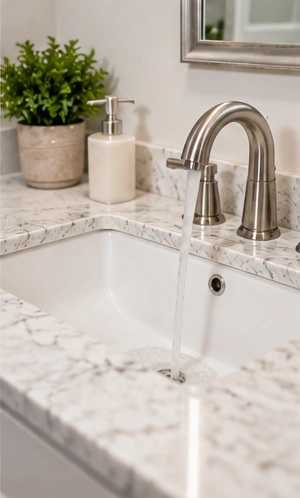
A localized clog usually affects one fixture while other drains work normally. A kitchen sink may slow because grease and food waste have narrowed its branch line, while a bathroom sink or shower often collects hair, soap, and product residue. If several fixtures slow together or one fixture backs up when another is used, the restriction may be farther downstream.
Stop running water when wastewater rises in a tub, toilet, or floor drain. A main-line backup can spread contaminated water into lower rooms. The service scope changes when the problem involves the building drain, sewer lateral, or the line leading to a cesspool or septic system rather than a single fixture branch.
What Causes Local Kitchen and Bathroom Drain Clogs

Most single-fixture clogs build gradually. Kitchen lines collect cooled grease, oils, starch, food particles, and detergent residue. Bathroom drains collect hair, soap, toothpaste, shaving products, and mineral scale. Objects, wipes, heavy paper, grout, and renovation debris can create sudden restrictions that ordinary plunging will not remove.
Only one sink, shower, tub, or floor drain is slow or fully blocked.
Water drains briefly after plunging, then slows again.
A kitchen line stops after grease, food waste, or heavy cleanup enters the sink.
A shower or tub holds water and contains visible hair or soap residue.
The same branch drain needs repeated clearing within a short period.
Massapequa’s postwar housing growth means many local homes combine older drain materials with later kitchen, bath, or basement alterations. Long horizontal runs, older cast iron scale, changes in pipe size, and limited cleanout access can affect how a clog is approached. Homes near the coast or Preserve do not share one pipe condition, so the actual material and layout must be inspected.
What We Check First
We ask which fixture is affected, when the slowdown started, what entered the drain, and whether any other fixture reacts when water is used. We inspect the trap and accessible branch, look for overflow risk, and confirm whether the symptoms remain local. Previous chemical use is important because residue can create a splash or burn hazard when the line is opened.
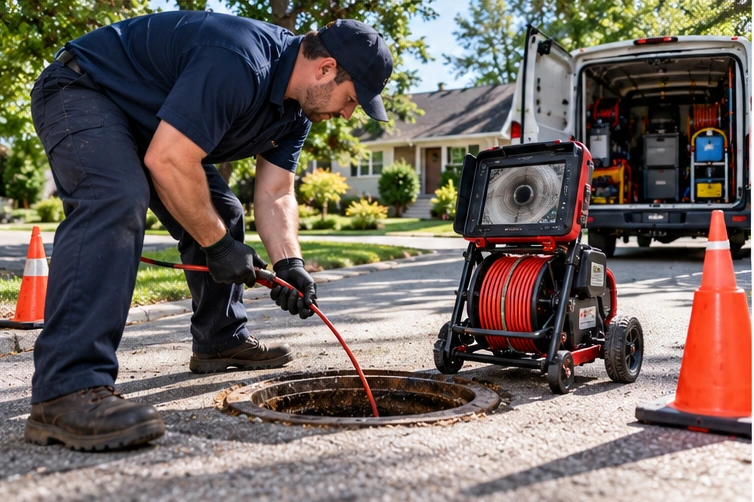
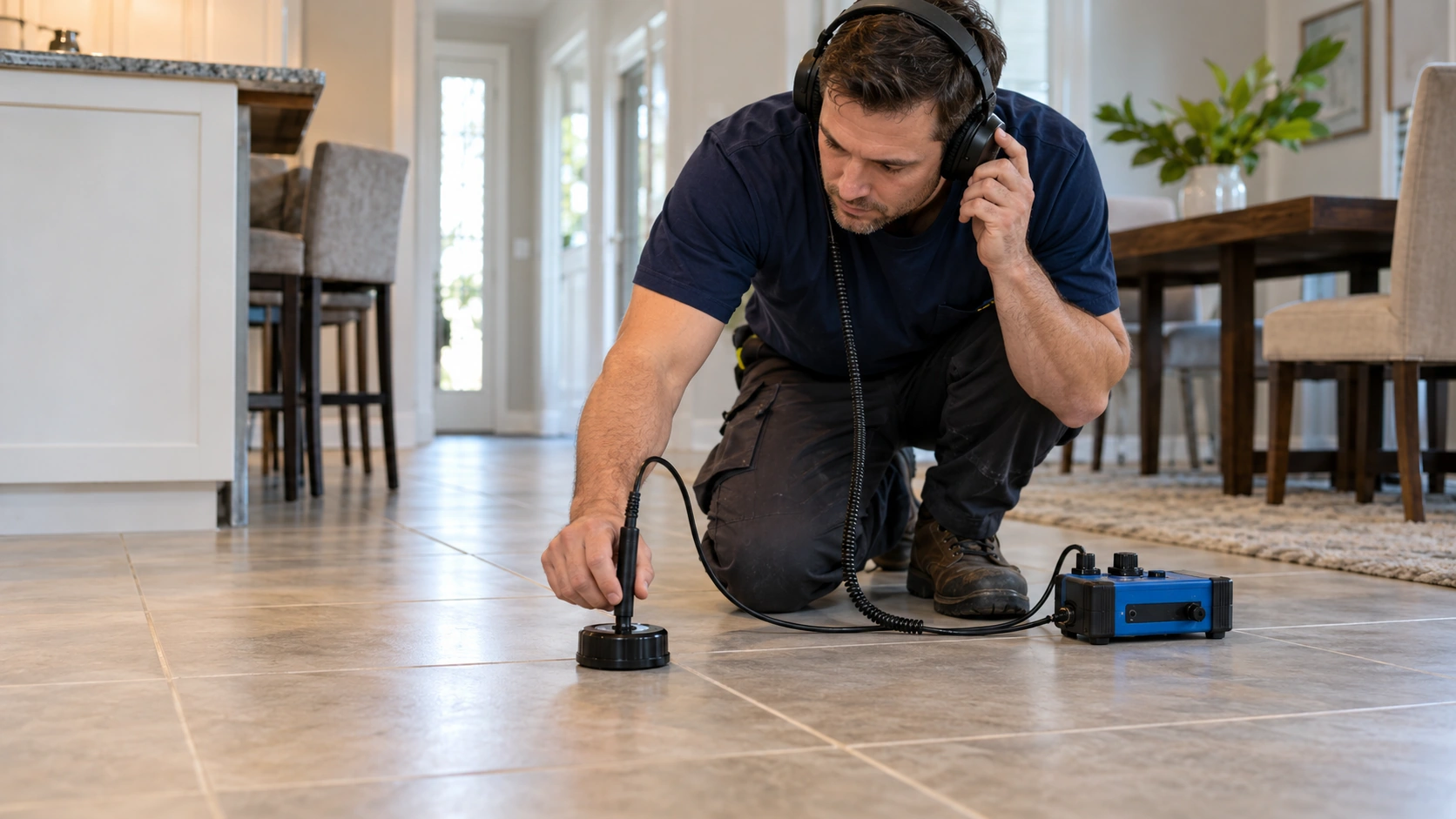
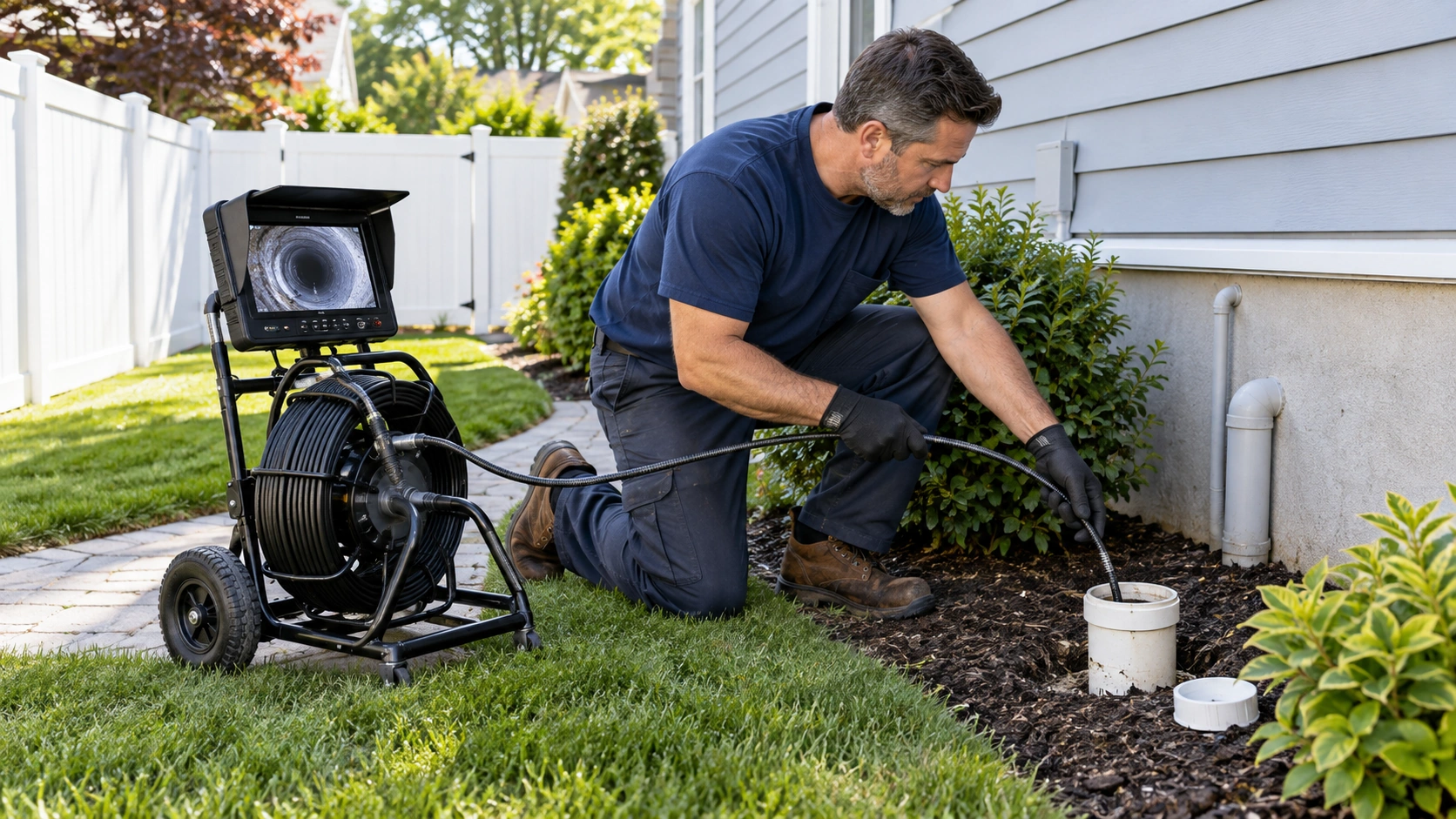
Recurring clogs may justify a camera inspection after flow is restored. A camera can reveal heavy scale, a low section, root entry, an offset, or damage farther down the line. It is not automatically needed for every simple sink or shower clog.
How Do We Clear and Test the Drain
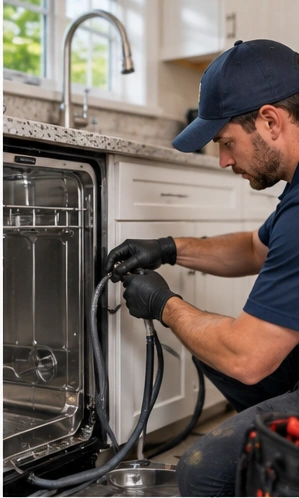
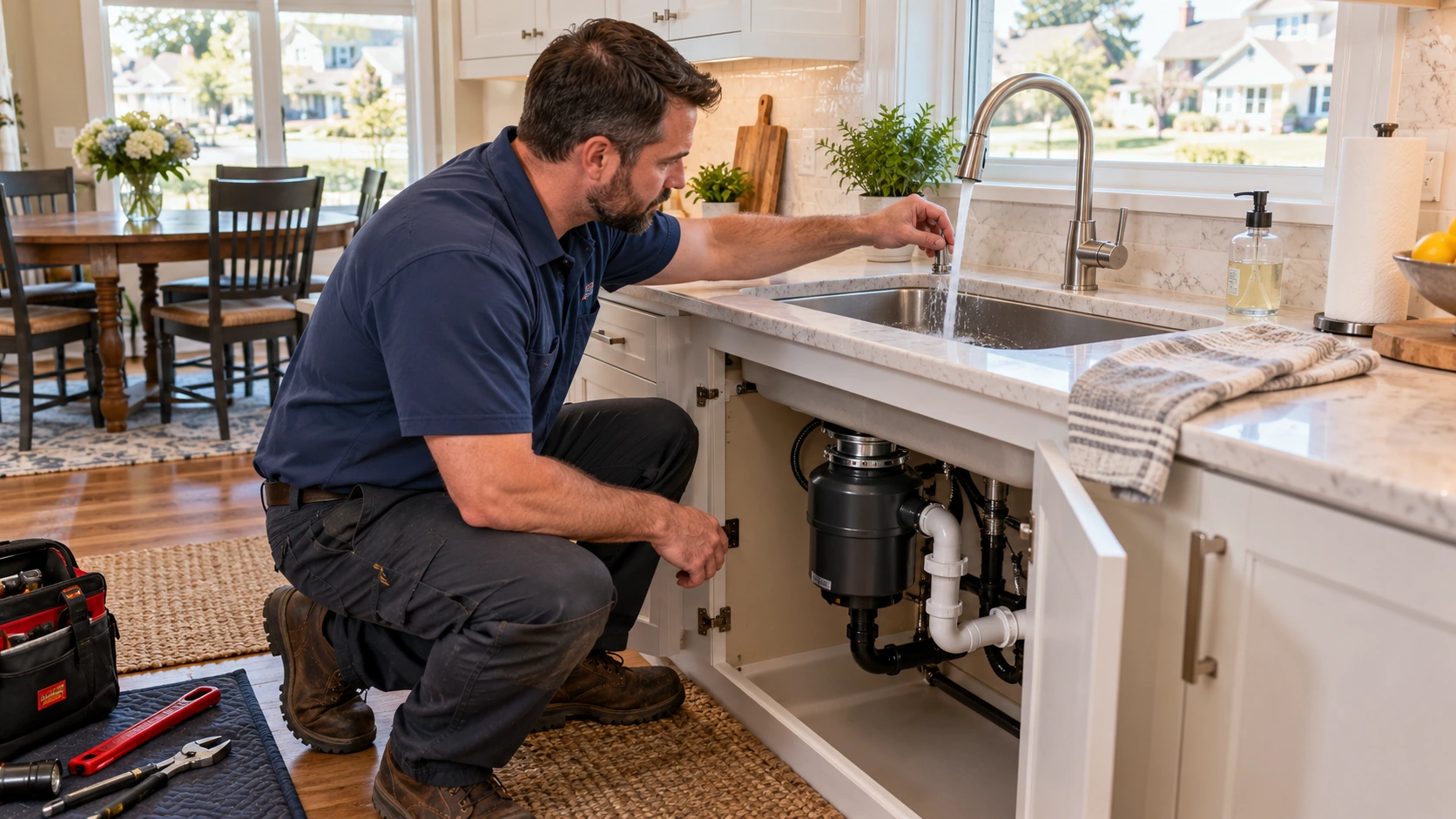
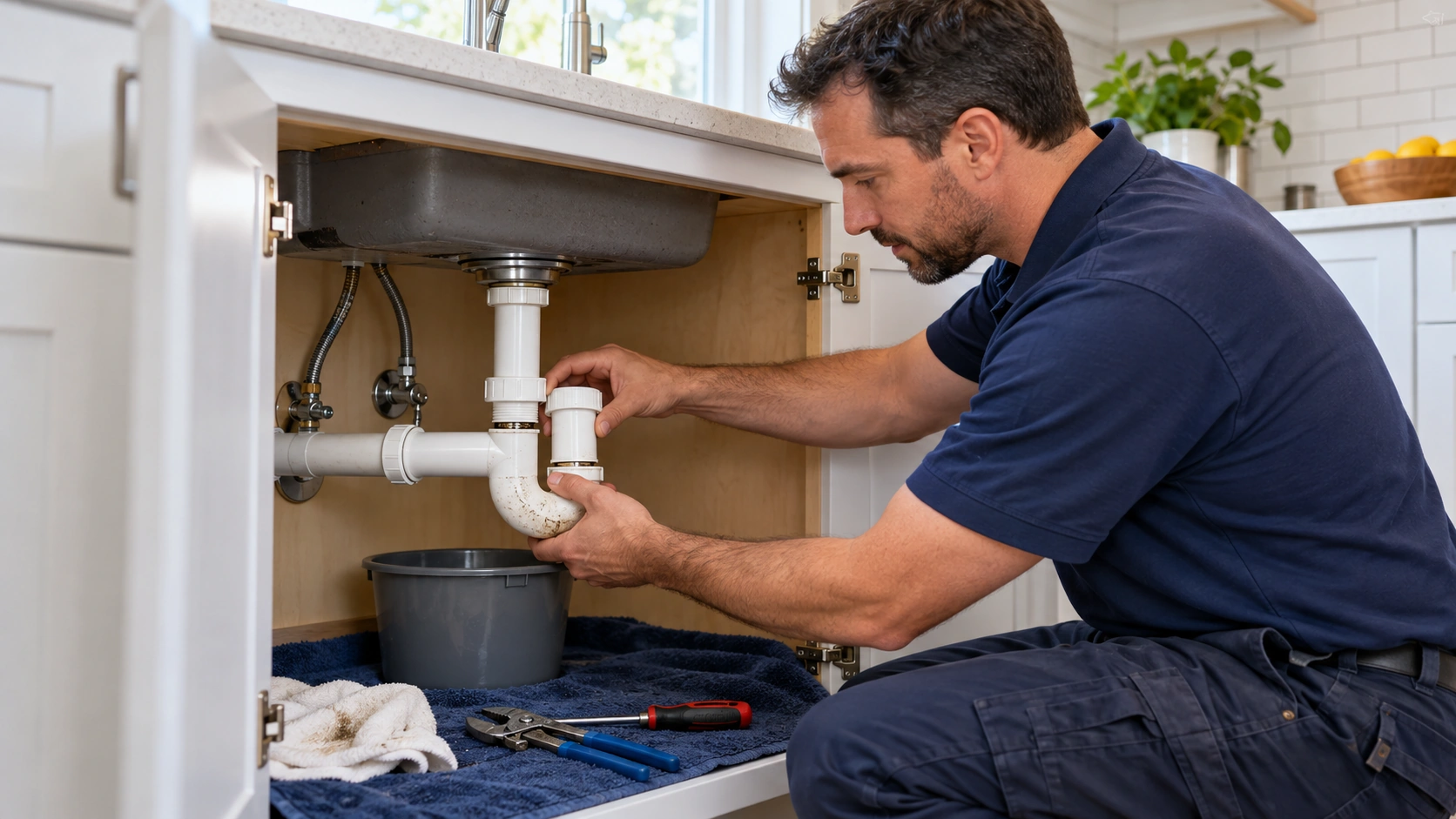
We protect the work area, open the safest available access point, and use a cable and attachment suited to the drain size and likely material. The goal is to remove or break through the restriction without damaging the trap, fixture, or branch piping. Hydro jetting may be considered for stubborn grease or buildup after the pipe condition and access are evaluated.
We do not rely on harsh chemical drain cleaners. They may remain trapped behind a blockage, create a hazard during service, and fail to remove the full restriction. Mechanical cleaning provides direct feedback about the material being removed and whether the cable can pass through the affected section.
After clearing, we run water long enough to check drainage, trap seals, nearby connections, and any sign of leakage or backup. The owner receives a plain-language description of the obstruction, completed work, maintenance guidance, and applicable warranty terms. If the drain is likely to clog again because of a pipe defect, we explain the evidence and next diagnostic step.
What Is the Price Range for Clearing a Clogged Drain
A single-fixture snaking visit commonly falls within a directional range of about $150 to $350. This is not an exact or guaranteed price. Access, trap removal, drain length, blockage material, emergency timing, prior chemical use, equipment required, and whether additional diagnostics are approved can move the price below or above a typical range.
Camera inspection, hydro jetting, main-line cleaning, damaged-pipe repair, sewage cleanup, and restoration are separate unless included in the written scope. Massapequa Plumbing Experts provides the applicable on-site price before approved work begins.
Why Choose a Licensed Local Plumber
Massapequa Plumbing Experts brings 10 years of plumbing experience to fixture clogs, branch drains, and recurring backup patterns. We distinguish a single-drain obstruction from a larger system problem before recommending equipment. Work-area protection, drainage testing, written findings, and documented warranty terms provide useful evidence of what was done.
Review our drain and sewer cleaning service for main-line and broader drainage problems. If the clog returns or several fixtures are involved, a sewer line camera inspection may identify the cause. Visit the Massapequa plumber homepage for other plumbing services.
Frequently Asked Questions
How do I know if it's just one clogged drain or a bigger problem?
If only one fixture is slow while everything else drains normally, it's usually a localized clog; multiple slow drains at once points toward the main line instead.
Do you use chemical drain cleaners?
No, we use mechanical snaking and hydro jetting rather than harsh chemicals, which can damage older pipe and don't fully clear the underlying blockage.
How much does clearing a single clogged drain cost in Massapequa?
Standard snaking for a single fixture is typically our lowest-cost service call; we quote the exact price on-site before starting.